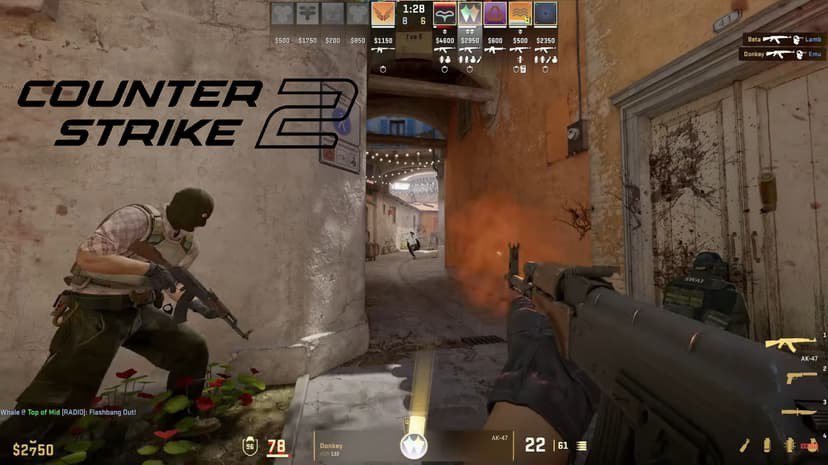
It's easy to get lost in the labyrinth of competitive systems across different games. But when it comes to Counter-Strike 2, understanding CS2 Premier Mode: Mechanics & Ranking is absolutely essential. This isn't just about showing off a higher number; it's about strategizing effectively, understanding your progress, and making every match count. CS2's Premier Mode is the pinnacle of its competitive experience, offering a nuanced and highly visible pathway to proving your mettle.
It's where you truly test your skills against the global community, climb leaderboards, and see where you stack up in the grand scheme of Counter-Strike prowess. Forget individual map ranks; Premier Mode consolidates your competitive journey into a single, comprehensive CS Rating that reflects your overall skill across the entire active map pool.
At a Glance: Premier Mode Essentials
Before we dive deep, here’s a quick rundown of what makes Premier Mode tick:
- Unified CS Rating: A single numerical score (0-35,000) represents your skill across all maps, unlike Classic Competitive's map-specific ranks.
- ELO-like System: Your rating fluctuates based on wins/losses, opponent skill, and round differential.
- Color-Coded Tiers: Ratings are grouped into distinct color tiers, from Gray (beginner) to Gold (elite), providing clear progression markers.
- Placement & Promotion Matches: Win 10 placement matches to earn your initial rating. Special promotion/demotion matches occur at tier boundaries.
- Map Pick/Ban System: Before each match, teams ban maps until one remains, demanding versatility across the entire map pool.
- First to 13 Rounds: Matches are shorter than Classic Competitive, with overtime if tied at 12-12, and potential for a draw.
- Leaderboards: Track your progress globally, regionally, and among your friends.
Beyond Map Ranks: Welcome to CS Rating
For years, Counter-Strike players honed their skills on individual maps, earning a separate rank for each. Classic Competitive still offers this, allowing you to master Inferno while casually learning Nuke without impacting your primary rank. It's a fantastic sandbox for focused practice and new players finding their footing.
However, Premier Mode throws that out the window in favor of a singular, overarching competitive measurement: the CS Rating. This numerical value, ranging from 0 to 35,000, functions much like an ELO system you might find in chess or other competitive games. It's designed to be a far more precise indicator of your overall skill, moving up when you win and down when you lose. This unified system removes the mental overhead of tracking multiple ranks and focuses your energy on a single, definitive climb.
The brilliance of the CS Rating lies in its transparency and clarity. Instead of abstract rank icons, you see a concrete number. This system not only provides a continuous progression path but also fuels the desire to see that number tick ever higher, pushing you to improve with every match.
Deciphering Your CS Rating: The Color Tiers
To make sense of the 35,000-point spectrum, Valve has introduced visually distinct color tiers. These tiers provide recognizable milestones as you progress, offering a sense of achievement and a clear picture of where you stand relative to other players. Think of them as broad categories that group players of similar skill levels, making it easier to gauge your progress and identify your competitive neighborhood.
Here's a breakdown of the CS Rating tiers by color:
- Gray: 0-4,999 CS Rating (The Foundational Tier)
- This is where new Premier players typically start, or where those returning after a long break might find themselves. It's about getting comfortable with the game's core mechanics in a competitive environment.
- Light Blue: 5,000-9,999 CS Rating (Developing Fundamentals)
- Players here are starting to grasp strategies, utility usage, and aiming consistency. You'll encounter more coordinated plays and tougher opponents.
- Dark Blue: 10,000-14,999 CS Rating (Solid Advanced Play)
- This tier signifies a strong understanding of game flow, advanced utility, and effective communication. Matches become more tactical, requiring quick decision-making and precise execution.
- Purple: 15,000-19,999 CS Rating (Expert Strat Calling)
- At this level, players are often highly skilled individuals with excellent aim, game sense, and the ability to lead or follow complex strategies. The margins for error shrink considerably.
- Pink: 20,000-24,999 CS Rating (Elite Competitive Force)
- These players are among the best, demonstrating exceptional individual skill combined with deep strategic knowledge. Every round is a chess match, demanding peak performance.
- Red: 25,000-29,999 CS Rating (Approaching Professional Levels)
- The Red tier is home to highly dedicated and skilled individuals, often aspiring to or already competing at a semi-professional level. Expect razor-sharp reflexes, intricate utility usage, and near-flawless teamwork.
- Gold: 30,000-35,000 CS Rating (The Global Apex)
- This is the elite echelon, reserved for the absolute best players in Counter-Strike 2. Reaching Gold signifies world-class mechanics, unparalleled game sense, and the ability to consistently dominate at the highest level.
These color tiers not only serve as visible goals but also help in matchmaking, aiming to pit you against players within or near your current skill bracket for balanced, challenging games.
Your Journey to a Rating: Placement & Promotion Matches
Before you can claim your spot on the leaderboards, you need to earn your initial CS Rating. This process begins with 10 placement matches. During these matches, the system is actively evaluating your performance, wins, and the skill of your opponents to determine your starting point on the 0-35,000 scale. Think of it as your audition for the competitive stage. The more matches you win against skilled opponents during this phase, the higher your initial CS Rating will likely be.
Once you have a rating, your journey truly begins. As you approach the upper boundary of any given color tier (for example, hitting 9,999 CS Rating in the Light Blue tier), your next game becomes a promotion match. Winning this crucial match will elevate you to the next color tier (in this example, Dark Blue). Conversely, losing a promotion match means you'll typically remain in your current tier, usually with a slight rating reduction. The same applies in reverse for demotion matches if you dip below a tier's lower threshold. These threshold matches add an extra layer of tension and importance to your competitive climb, making each boundary cross a memorable event.
It's also important to understand the party restrictions in Premier Mode. To ensure fair and balanced matches, players with a CS Rating cannot queue with unrated players. Furthermore, there are limits on the rating difference between players in a party. This prevents highly skilled players from easily boosting less experienced friends, fostering a more genuine competitive environment. This means you’ll generally be playing with and against teams that are relatively close in skill, leading to more enjoyable and competitive matches.
The Premier Match Experience: Strategy from Start to Finish
Premier Mode isn't just about a new ranking system; it's about a distinct gameplay experience that demands adaptability and strategic depth from the moment you queue up.
The Map Pick/Ban Dance
One of the most defining features of Premier Mode is the map pick/ban phase that precedes every match. Gone are the days of queuing for your single best map. Here, teams take turns banning maps from the active pool until only one remains. This dynamic process makes every match unique and forces you to be proficient across a wider range of maps.
Imagine this scenario: You jump into a Premier match. The first thing you'll see is the current map pool, which typically includes mainstays like Inferno, Nuke, Vertigo, Ancient, Anubis, Mirage, Overpass, and Dust II. As the ban phase unfolds, you'll see your opponents' bans, and critically, you'll be presented with useful data. The game provides graphics showing your teammates' and opponents' performance on each map (win rates, K/D ratios, etc.). This vital information helps your team make informed decisions. Do you ban a map where the opponents have a suspiciously high win rate? Or do you remove a map your team struggles with, even if it's one of your opponent's weaker maps? This strategic layer before a single bullet is fired is what truly differentiates Premier Mode. You must be prepared to play any map from the active pool, underscoring the need for comprehensive map knowledge.
First to 13: A Faster Grind
Unlike the traditional first-to-16 format of Classic Competitive, Premier Mode matches are first to 13 rounds. This shorter format means games are quicker, more intense, and every round carries significant weight. There's less room for error or slow starts; momentum can shift dramatically within a few rounds.
Teams switch sides after the 12th round. This ensures both teams play an equal number of rounds on each side of the map (Attack/Defense) before reaching the crucial later stages of the match.
What happens if a match is tied at 12-12? Premier Mode implements a single overtime period. The first team to reach 16 rounds wins. This means teams need to win four consecutive rounds (or two rounds each followed by two more for one team) to secure victory in overtime. If, however, the overtime period ends with a 15-15 score, the match is declared a draw. This can be a frustrating outcome after a hard-fought battle, but it emphasizes the fine margins at the highest levels of play.
The faster pace and strategic depth introduced by the pick/ban phase and the first-to-13 format make Premier Mode a truly engaging and high-stakes competitive experience.
What Truly Moves the Needle: Factors Influencing Your CS Rating
Understanding what genuinely impacts your CS Rating is crucial for effective improvement and for avoiding common misconceptions. While there are many metrics the game tracks, only a select few truly determine your climb or fall.
The Unrivaled King: Match Win/Loss
Let's be unequivocally clear: the outcome of the match – whether you win or lose – is by far the single most important factor influencing your CS Rating. You could be dropping 40 kills every game, but if your team loses, your rating will decrease. Conversely, if you're bottom-fragging but your team secures the victory, your rating will go up. Counter-Strike is a team game, and the rating system reflects that.
Subtler Influences
While winning is paramount, other factors fine-tune the amount of CS Rating you gain or lose:
- Round Wins: The margin of victory matters. Winning 13-0 will generally net you more CS Rating than a hard-fought 13-12 victory. Similarly, a narrow loss (e.g., 12-13) might cost you less rating than a crushing defeat (e.g., 0-13). This incentivizes every round, even when a win seems out of reach.
- Opponent Skill: Beating a team with a significantly higher average CS Rating will result in a more substantial rating gain. Conversely, losing to a much lower-rated team will incur a larger penalty. This ensures that overcoming greater challenges is properly rewarded.
- MVPs (Most Valuable Player): Earning MVPs for round wins does have a significant, albeit secondary, impact on your personal rating adjustments. It indicates your individual contribution to securing those crucial rounds.
- Personal Performance (Hidden MMR): This is where it gets a bit nuanced for Premier Mode. While your visible CS Rating gain or loss is largely determined before the match by the expected outcome (based on team ratings), your individual performance (K/D Ratio, ADR, Headshot %, Utility Damage, etc.) still influences your hidden Matchmaking Rating (MMR). This hidden MMR is what the system uses to match you with players of similar skill. If your hidden MMR significantly deviates from your visible CS Rating (perhaps you're new or returning), the system might apply larger rating adjustments after wins or losses to move your visible rating faster towards your true skill level. For established players, personal performance has less immediate impact on visible rating changes, but it steadily nudges your hidden MMR over time.
Dispelling Myths: What Doesn't Affect Your Rank
It's common to hear players lamenting their K/D ratio or scoreboard position, believing these directly dictate their rank. Let's set the record straight:
- K/D Ratio or Scoreboard Position (within your winning team): While good individual stats are often correlated with wins, simply having a high K/D or being at the top of the scoreboard on a losing team will not save your rating. And if you win, being last on the scoreboard doesn't mean you gain less rating than the top player (though the MVP factor might slightly differentiate). The team result is king.
- Match Duration: Whether a match is quick 13-0 stomp or a grueling 13-12 overtime doesn't inherently change the rating impact beyond the round differential effect.
- Commends or Reports: Unless reports lead to a griefing ban (which would, of course, remove your ability to play competitive), giving or receiving commends/reports has no direct impact on your CS Rating.
- Weapon Choice: No specific weapon use will alter your rating. Play with what helps your team win.
The bottom line is to focus on team success and round wins. Your true rank or rating will emerge naturally over dozens, if not hundreds, of games as the system accurately places you.
The Fading Rank: Understanding Decay & How to Prevent It
Competitive ranks and ratings aren't permanent. Like a muscle, they can atrophy if not exercised. Counter-Strike 2 implements a rank decay system to ensure that active players are matched with others who are also currently playing at their skill level.
Here's how it works:
- 28 Days Inactive: If you haven't played a competitive match in 28 days, your CS Rating (and Classic Competitive ranks) will become hidden. This doesn't mean it's gone, but it's no longer publicly displayed. The system assumes a period of inactivity might mean a slight dip in skill, or simply that your current rating might no longer be an accurate reflection of your true competitive prowess.
- One Win to Reappear: To make your rank visible again, you simply need to win one competitive match. Once you secure that victory, your CS Rating will reappear, though it might be slightly lower than where you left off, indicating some decay. The longer your absence, the more significant this decay can be.
- Long Absence, Significant Decay: If you take several months off from the game, you can expect a more substantial drop in your CS Rating. In some cases, a very long absence might even require you to play several games for the system to recalibrate your skill level accurately.
The actionable insight here is clear: To maintain your CS Rating and prevent significant decay, aim to play at least one Premier Mode match every 2-3 weeks. Even if you lose, simply playing will refresh your activity timer and keep your rating visible and largely intact. Consistent engagement is key to preserving your hard-earned competitive standing.
Your Blueprint for Climbing: Smart Strategies for Premier Mode
Climbing the CS2 Premier Mode ladder isn't about magical tricks or exploiting glitches; it's about consistent improvement and smart gameplay. Here's a blueprint to help you ascend:
- Prioritize Winning Rounds, Not Kills: This cannot be stressed enough. While high kill counts are flashy, they mean little if your team loses the round. A player with 15 kills in a decisive 13-2 win contributes far more to their CS Rating than a player with 30 kills in a 10-13 loss. Focus on trading efficiently, securing bomb plants/defuses, and playing as a team.
- Play Consistently: Like any skill, Counter-Strike performance fluctuates. Aim for steady, reliable play across many games rather than chasing a few highlight reels followed by poor performances. Consistency in aim, utility usage, and decision-making will yield better long-term results.
- Queue with Players of Similar Skill: While solo queue is an option, playing with a consistent group of friends or teammates who are roughly at your skill level can significantly improve your experience and win rate. This ensures better communication, coordination, and a more balanced match environment, which is crucial for maximizing your Premier Mode climb.
- Learn From Losses: Every defeat is an opportunity. Instead of getting frustrated, review your losing matches. What went wrong? Was it poor utility? Bad comms? Individual mistakes? Analyze demos if possible. Identifying and rectifying recurring errors is one of the fastest ways to improve.
- Master the Full Map Pool: With the dynamic map pick/ban system, you must be comfortable on every map in the active Premier pool. Don't be a one-map wonder. Practice different roles, common executes, and defensive setups on all available maps. This flexibility is a huge advantage.
- Communicate & Be Positive: Counter-Strike is a team game. Clear, concise communication ("one long," "bomb planted B," "flashing site") is invaluable. Equally important is maintaining a positive attitude. Toxicity breeds frustration and poor performance. Encourage your teammates, stay calm under pressure, and focus on the next round. A positive team environment significantly increases your chances of winning.
Ultimately, your CS Rating is a reflection of your overall Counter-Strike skill. By focusing on fundamental improvement, teamwork, and smart strategy, your rating will naturally follow suit. The climb might be challenging, but it's immensely rewarding.
The Long Game: Why True Skill Always Wins Out
The journey through CS2 Premier Mode is a marathon, not a sprint. While individual match results can feel impactful in the moment, it's your consistent effort, learning from mistakes, and adapting to the evolving meta that truly define your competitive ascent. Don't get fixated on momentary rating fluctuations. Instead, concentrate on mastering game sense, perfecting your aim, understanding utility, and becoming a more valuable teammate.
In the long run, the system is designed to place you where your skills truly belong. Embrace the challenge, enjoy the competition, and always strive to be a better player. Your CS Rating isn't just a number; it's a testament to your dedication and growth within the vibrant world of Counter-Strike 2.